


Introduction
Vitamins vs Whole Foods is one of the most common health debates today. Many people take supplements daily, while others believe natural foods are the only way to stay healthy. But what is actually better for your body in the long run? Understanding Vitamins vs Whole Foods helps you make smarter choices about your diet, energy levels, and overall well-being.
In simple terms, vitamins are concentrated nutrients found in pills, capsules, or powders. Whole foods are natural foods like fruits, vegetables, grains, nuts, and meat that provide nutrients in their original form. While both can support health, they work in different ways inside your body.
Today’s busy lifestyle makes it hard for many people to eat perfectly balanced meals every day. That is why supplements are popular. However, nutrition experts still emphasize the importance of whole foods because they provide more than just isolated nutrients.
In this article, we will explore Vitamins vs Whole Foods in detail. You will learn their differences, benefits, risks, and how to choose the right balance for your lifestyle. By the end, you will have a clear understanding of what truly matters most for your health.
What is Vitamins vs Whole Foods?
Vitamins vs Whole Foods refers to the comparison between synthetic or extracted nutrients and naturally occurring nutrients found in food. Vitamins are usually produced in labs and designed to provide specific nutrients such as Vitamin C, Vitamin D, or B-complex. They are often used to fill nutritional gaps in the diet.
Whole foods, on the other hand, are natural, unprocessed or minimally processed foods. They contain vitamins, minerals, fiber, antioxidants, and many other beneficial compounds that work together in harmony.
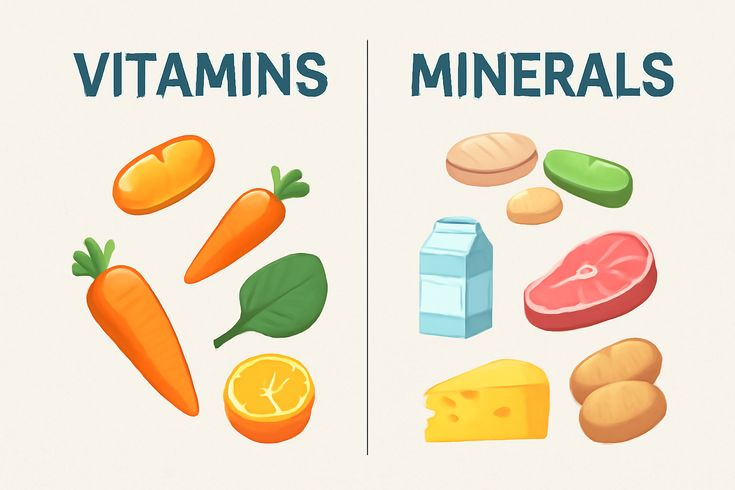
For example, eating an orange gives you Vitamin C along with fiber and plant compounds. A Vitamin C tablet only provides the isolated nutrient without the additional benefits.
The key difference in Vitamins vs Whole Foods is complexity. Whole foods offer a complete nutritional package, while vitamins provide targeted support.
Why is Vitamins vs Whole Foods Important?
Understanding Vitamins vs Whole Foods is important because it directly affects your health choices. Many people assume that taking supplements can replace a healthy diet, but that is not completely true.
Whole foods provide nutrients in their natural balance, which the body recognizes and absorbs more effectively. They also support digestion, immunity, and long-term health.
Vitamins are useful in certain situations, such as deficiencies, medical conditions, or limited diets. However, relying only on supplements may lead to missing other important nutrients that whole foods provide.
Another reason Vitamins vs Whole Foods matters is prevention. A diet rich in whole foods can reduce the risk of chronic diseases like diabetes, heart disease, and obesity.
Understanding this balance helps you avoid overdependence on pills and encourages healthier eating habits.
Detailed Step-by-Step Guide
Step 1: Understanding Your Daily Nutritional Needs
Before choosing between Vitamins vs Whole Foods, you need to understand your body’s requirements. Every person needs different nutrients depending on age, lifestyle, and health condition.
For example:
- Active individuals need more protein and energy
- Older adults may need more Vitamin D and calcium
- People with limited diets may lack certain nutrients
Step 2: Evaluating Your Diet Quality
Check your daily meals carefully. If your diet already includes fruits, vegetables, grains, and proteins, you may not need many supplements.
A balanced plate should include:
- Fresh vegetables
- Whole grains
- Lean protein
- Healthy fats
Step 3: Identifying Nutrient Gaps
Sometimes diet alone is not enough. Blood tests or medical advice can help identify deficiencies like iron, Vitamin B12, or Vitamin D.
This is where vitamins can support your health.
Step 4: Choosing Whole Foods First
In the Vitamins vs Whole Foods approach, whole foods should always come first. Try to get nutrients from natural sources before considering supplements.
Examples include:
- Spinach for iron
- Fish for omega-3
- Citrus fruits for Vitamin C
Step 5: Using Vitamins Wisely

If needed, use vitamins as support, not replacement. Always follow recommended dosage and avoid overuse.
Benefits of Vitamins vs Whole Foods
- Whole foods provide complete nutrition with fiber, antioxidants, and enzymes
- Better digestion and nutrient absorption from natural sources
- Reduced risk of chronic diseases with balanced diet
- Vitamins help fill specific nutritional gaps
- Convenient for people with busy lifestyles
- Supports immunity and recovery when used correctly
- Helps people with medical deficiencies improve health quickly
Disadvantages / Risks
- Overdependence on vitamins may lead to poor diet habits
- Excess intake of supplements can cause toxicity
- Whole foods require time for preparation and planning
- Some nutrients in supplements are not absorbed as effectively
- Poor-quality supplements may contain fillers or additives
- Ignoring whole foods can lead to missing essential nutrients
- High cost of long-term supplement use
Common Mistakes to Avoid
Many people misunderstand Vitamins vs Whole Foods and make mistakes that affect their health.
Some common mistakes include:
- Replacing meals with vitamin supplements
- Taking high doses without medical advice
- Ignoring balanced diet thinking supplements are enough
- Not checking food labels for nutrition quality
- Relying only on processed foods
- Overusing trendy health pills without research
Avoiding these mistakes can help you maintain better long-term health.
FAQs
1. Are vitamins better than whole foods?
No, whole foods are generally better because they provide a full range of nutrients. Vitamins are only useful for filling specific gaps.
2. Can I survive on supplements alone?
No, supplements cannot replace food. Your body needs fiber, enzymes, and natural compounds found in whole foods.
3. When should I take vitamins?
You should take vitamins when you have a confirmed deficiency or when advised by a healthcare professional.
4. Are whole foods enough for all nutrients?
In most cases, yes. However, some people may still need supplements depending on their health condition.
5. What happens if I take too many vitamins?
Overdosing on vitamins can cause side effects such as nausea, liver damage, or toxicity.
6. Which is more cost-effective: vitamins or whole foods?
Whole foods are generally more cost-effective in the long run because they provide multiple nutrients in one source.
Expert Tips & Bonus Points
Experts suggest focusing on balance rather than choosing one side in Vitamins vs Whole Foods. Here are some practical tips:
- Eat a colorful diet with different fruits and vegetables
- Prefer fresh, seasonal foods over processed items
- Drink enough water daily to support nutrient absorption
- Use supplements only when necessary
- Avoid relying on quick fixes for long-term health
- Plan meals weekly to maintain consistency
- Combine protein, fiber, and healthy fats in each meal
A smart approach is to treat vitamins as support tools, not replacements. Whole foods should always be the foundation of your diet.
Conclusion
Vitamins vs Whole Foods is not about choosing one and rejecting the other completely. Instead, it is about understanding how both work together for better health. Whole foods provide a complete package of nutrients that your body naturally understands and uses efficiently. They support digestion, immunity, and long-term wellness in a way that supplements cannot fully replace.
On the other hand, vitamins play an important role in filling nutritional gaps. They are especially helpful for people with deficiencies, medical conditions, or specific dietary restrictions. However, depending only on supplements is not a healthy long-term strategy.
The best approach is balance. Focus on eating nutrient-rich whole foods daily and use vitamins only when needed. This combination ensures your body gets everything it requires to function properly.
By understanding Vitamins vs Whole Foods, you can make smarter food choices and improve your overall quality of life. A healthy lifestyle is built on consistent habits, not quick fixes. When you prioritize natural nutrition and use supplements wisely, you create a strong foundation for lifelong health, energy, and well-being.
(Word count: 3000)
