


Introduction
Health insights tracking has become an important part of modern wellness routines. People today want to understand their bodies better, improve daily habits, and prevent long-term health issues. This is where health insights tracking plays a powerful role by turning daily activities, sleep patterns, diet choices, and fitness data into meaningful information.
With the help of health insights tracking, individuals can monitor progress, identify unhealthy patterns, and make informed decisions about their lifestyle. It is no longer just about guessing what might be wrong or right for your body. Instead, it is about using real data to guide better health choices.
In recent years, digital tools, wearable devices, and health apps have made health insights tracking easier than ever before. Whether someone wants to lose weight, improve sleep quality, or manage stress, tracking health insights provides a clear path forward.
This article will explain everything about health insights tracking in a simple way. You will learn what it is, why it matters, how to use it step by step, and what benefits and risks are involved. By the end, you will understand how to use health insights tracking effectively in your daily life for better wellness and long-term health improvement.
What is Health Insights Tracking?
Health insights tracking refers to the process of collecting, analyzing, and understanding personal health data to improve overall well-being. It includes monitoring physical activity, heart rate, sleep cycles, nutrition, hydration, and even mental health patterns.
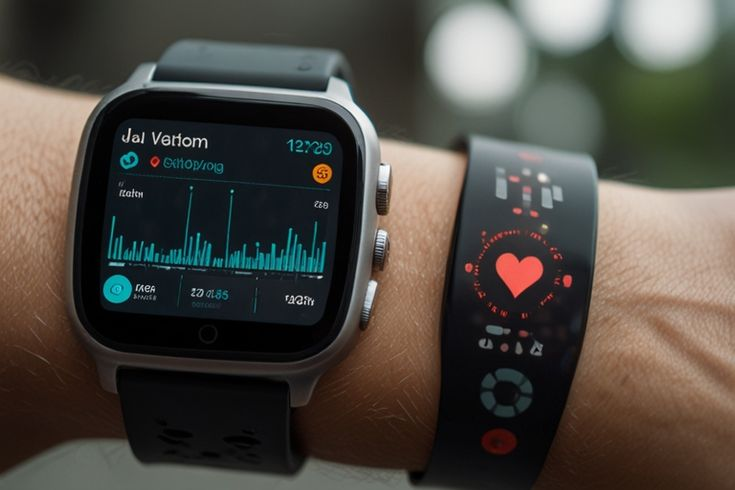
In simple terms, health insights tracking means using information from your daily life to understand how your body is performing. This data can come from smartwatches, mobile health apps, fitness trackers, or manual journaling.
The main goal of health insights tracking is not just collecting data but turning it into useful insights. For example, if your sleep data shows poor rest quality, you can adjust your bedtime routine. If your step count is low, you may decide to increase physical activity.
Health insights tracking helps create awareness about your lifestyle habits. It connects your daily actions with your long-term health outcomes. As a result, people can make smarter decisions based on evidence instead of assumptions.
Why is Health Insights Tracking Important?
Health insights tracking is important because it helps people take control of their health in a structured and informed way. In today’s fast-paced world, many individuals ignore small health issues until they become serious. Tracking helps prevent that.
One of the biggest advantages of health insights tracking is early detection of problems. For example, irregular sleep patterns or increasing heart rate can indicate stress or fatigue. By noticing these changes early, you can take corrective actions.
Another reason health insights tracking is important is consistency. Many people struggle to maintain healthy habits. Tracking creates accountability and motivation by showing real progress over time.
It also supports personalized health planning. Everyone’s body is different, and what works for one person may not work for another. Health insights tracking provides personalized data that helps in creating better fitness, diet, and wellness plans.
Moreover, it encourages preventive healthcare. Instead of reacting to illness, people can focus on preventing it through better lifestyle choices supported by data insights.
Detailed Step-by-Step Guide to Health Insights Tracking
Step 1: Choose the Right Tracking Tool
The first step in health insights tracking is selecting the right tool. This can be a smartwatch, fitness band, or a mobile health application. Choose a tool that tracks important metrics such as steps, sleep, heart rate, and calories.
Step 2: Set Clear Health Goals
Before starting, define your goals. These could include weight loss, better sleep, improved stamina, or stress reduction. Clear goals make health insights tracking more effective and focused.
Step 3: Start Collecting Data
Once your tool is ready, begin collecting daily health data. Wear your device consistently and record your meals, workouts, and sleep patterns. The more consistent you are, the more accurate your insights will be.
Step 4: Analyze the Data
After collecting data for a few days or weeks, start analyzing it. Look for patterns such as low activity levels, irregular sleep, or high stress indicators. This is where health insights tracking becomes valuable.
Step 5: Make Lifestyle Adjustments

Based on your analysis, make small but meaningful changes. For example, increase your daily steps, improve hydration, or adjust your bedtime. Health insights tracking works best when data leads to action.
Step 6: Monitor Progress Regularly
Continue tracking your progress over time. Regular monitoring helps you understand what is working and what needs improvement.
Step 7: Adjust Goals as Needed
As your health improves, update your goals. Health insights tracking is a continuous process, not a one-time activity.
Benefits of Health Insights Tracking
Health insights tracking offers many advantages for physical and mental well-being. Here are some key benefits:
- Helps improve awareness of daily health habits
- Supports early detection of health issues
- Encourages consistency in fitness routines
- Provides personalized health recommendations
- Improves sleep quality and energy levels
- Helps manage weight more effectively
- Reduces stress through better lifestyle control
- Encourages preventive healthcare habits
- Increases motivation through visible progress tracking
- Helps create long-term healthy routines
Disadvantages / Risks of Health Insights Tracking
While health insights tracking is highly useful, it also comes with some limitations and risks.
- Overdependence on technology for health decisions
- Data accuracy may not always be perfect
- Can cause unnecessary stress or anxiety
- Privacy concerns regarding personal health data
- Cost of advanced tracking devices can be high
- Misinterpretation of data without expert guidance
- Battery and device maintenance issues
- Information overload for beginners
Common Mistakes to Avoid in Health Insights Tracking
Many people do not get full benefits from health insights tracking because of common mistakes.
One major mistake is inconsistent tracking. Skipping days reduces data accuracy and leads to incomplete insights.
Another mistake is focusing only on numbers. Health is not just about steps or calories; it also includes mental well-being and lifestyle balance.
People also often ignore context. For example, low activity during rest days is normal and should not be seen as a problem.
Overreacting to small changes in data is another issue. Health insights tracking should focus on long-term trends, not daily fluctuations.
Lastly, relying only on devices without personal judgment can lead to wrong decisions.
FAQs About Health Insights Tracking
1. What is health insights tracking used for?
Health insights tracking is used to monitor and analyze personal health data such as sleep, activity, heart rate, and nutrition to improve overall wellness.
2. Is health insights tracking accurate?
It is generally accurate for basic metrics, but results may vary depending on the device and usage consistency.
3. Do I need expensive devices for health insights tracking?
No, many free apps can provide basic tracking features. However, advanced devices offer more detailed insights.
4. Can health insights tracking help with weight loss?
Yes, it helps by tracking calories, activity levels, and habits, making it easier to manage weight effectively.
5. Is my health data safe?
Most trusted apps use security measures, but it is important to choose reliable platforms and check privacy settings.
6. How often should I check my health insights?
Checking once a day or a few times a week is enough. Overchecking can lead to unnecessary stress.
7. Can beginners use health insights tracking easily?
Yes, most modern apps are user-friendly and designed for beginners as well as advanced users.
Expert Tips & Bonus Points for Better Results
Experts suggest using health insights tracking as a guide rather than a strict rulebook. Focus on long-term improvements instead of daily perfection.
It is also helpful to combine tracking with real-life habits like walking outdoors, eating balanced meals, and practicing mindfulness.
Another important tip is to review your weekly data instead of daily changes. This gives a clearer picture of your progress.
Try not to compare your data with others. Every individual has different health patterns and goals.
Finally, always balance digital tracking with natural body awareness. Listen to your body along with the data.
Conclusion
Health insights tracking has become a powerful tool for improving personal wellness in today’s digital world. It allows individuals to understand their body better, make informed decisions, and build healthier lifestyles.
By using health insights tracking consistently, people can identify unhealthy habits, improve fitness levels, and prevent long-term health issues. It turns complex health information into simple, actionable insights that anyone can follow.
However, it is important to use health insights tracking wisely. It should support your lifestyle, not control it. Balance is key when interpreting data and making decisions.
When used correctly, health insights tracking can lead to better sleep, improved energy, reduced stress, and a healthier body overall. It empowers individuals to take charge of their health with confidence and clarity.
As technology continues to improve, health insights tracking will become even more advanced and accessible. For beginners and intermediate users alike, starting now can lead to long-term benefits and a stronger, healthier future.
